

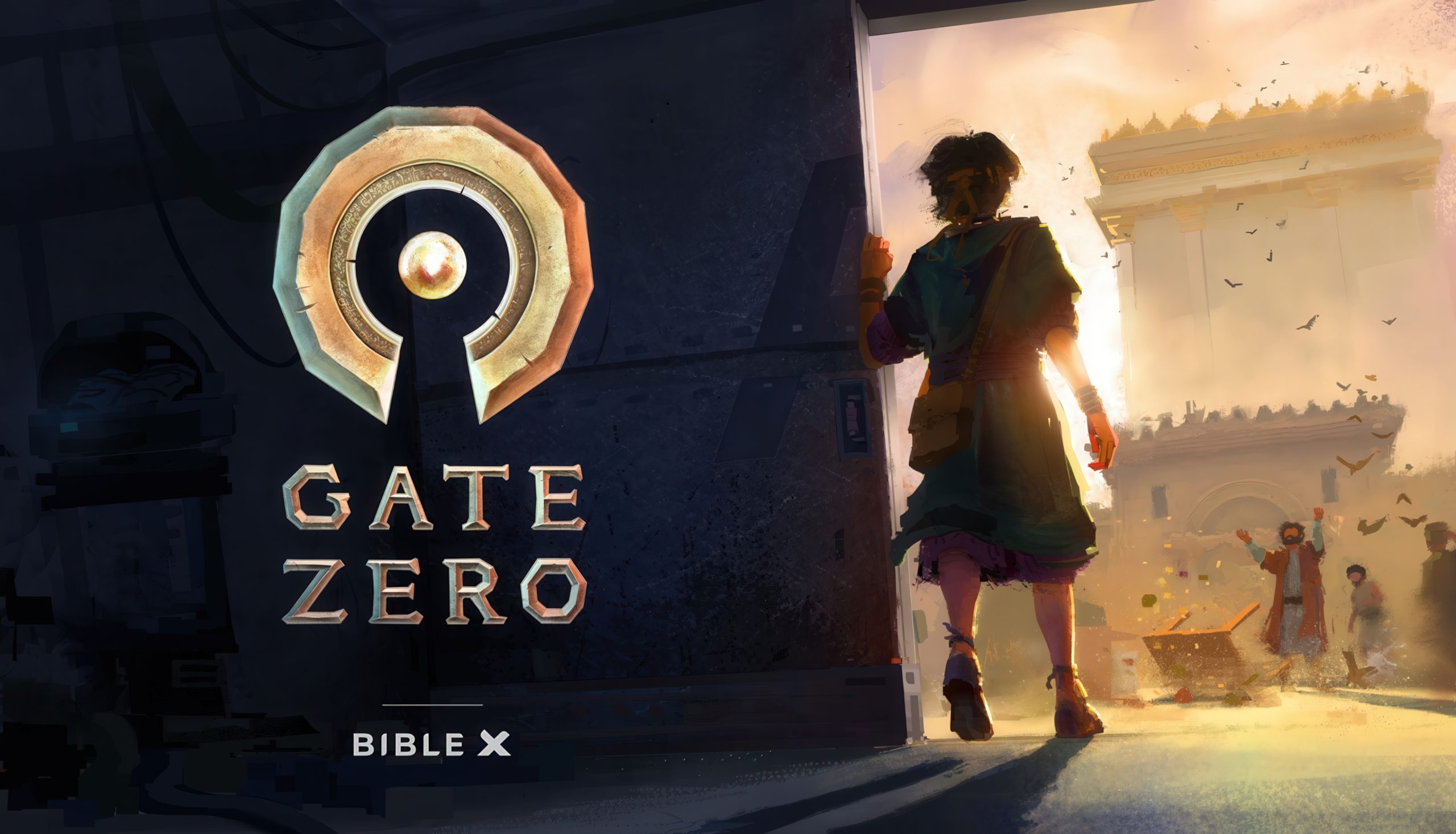
Following our previous reports on John Gibson’s stance regarding the “underrepresented majority” in gaming and the efficiency pitfalls of remote work, we are now presenting the full transcript of our lengthy conversation with the executive, which lasted more than 60 minutes and has been slightly edited and condensed for brevity.
John Gibson isn’t just a veteran with 25 years in the trenches of the industry; he is a co-founder of Tripwire Interactive (he stepped down in September 2021) with a track record of several consecutive profitable titles. Now at the helm of Templar Media, Gibson has made no qualms of critiquing what he calls a “monolithic political block” in modern game development, advocating for a return to the “Entertainment First” philosophy of the 80s and 90s.
In the following transcript, Gibson pulls no punches on the “video game apocalypse” of layoffs and delays, the current development progress and challenges of making the Bible-based adventure game Gate Zero (Templar Media purchased developer Bible X last month), and his pragmatic approach to utilizing AI in development.
In This Interview:
John, for those who haven’t followed your recent transition, could you tell us about your journey from leading Tripwire Interactive to founding your new venture, Templar Media?
John Gibson: Sure thing. I was formerly the co-founder, co-owner, and CEO of Tripwire Interactive. Now, I am leading Templar Media. I founded Templar Media earlier this year. After selling Tripwire, I took a break, but I realized I wanted to get back into games. I noticed that in a lot of media, the focus had shifted away from pleasing the player or the viewer. Instead, it was often about whatever commentary or message a developer or entertainer wanted to convey. This is where our slogan, “Entertainment First,” originated. I wanted to establish a company focused on creating great content that people truly enjoy. While everyone aims to make something great, players can tell if your primary focus is not on building an entertaining and fun game. Our goal is to make great, entertaining content.
We are catering to an underserved mainstream market. In America and somewhat in Europe, the people creating entertainment often represent a monolithic political block. However, consumers are not a monolithic block and do not necessarily share the same views as those making the entertainment. There is an underrepresented majority that wants entertainment without a specific agenda. When I was growing up, movies like Star Wars and Indiana Jones or games like Zelda and Metroid were about entertaining you, not an agenda. This has been lost in much of modern entertainment. For example, in the new Dragon Age game, there is a cutscene where the player is lectured about pronouns. We experience entertainment to forget about day-to-day politics and just have fun. Entertainment needs to go back to focusing on entertaining people. While our first game is faith-based, we are not afraid to tell those stories to an underserved market and to anyone who simply wants great content without modern agendas. As a company owner and designer, you must focus on what the customer will enjoy, not just your own preferences.
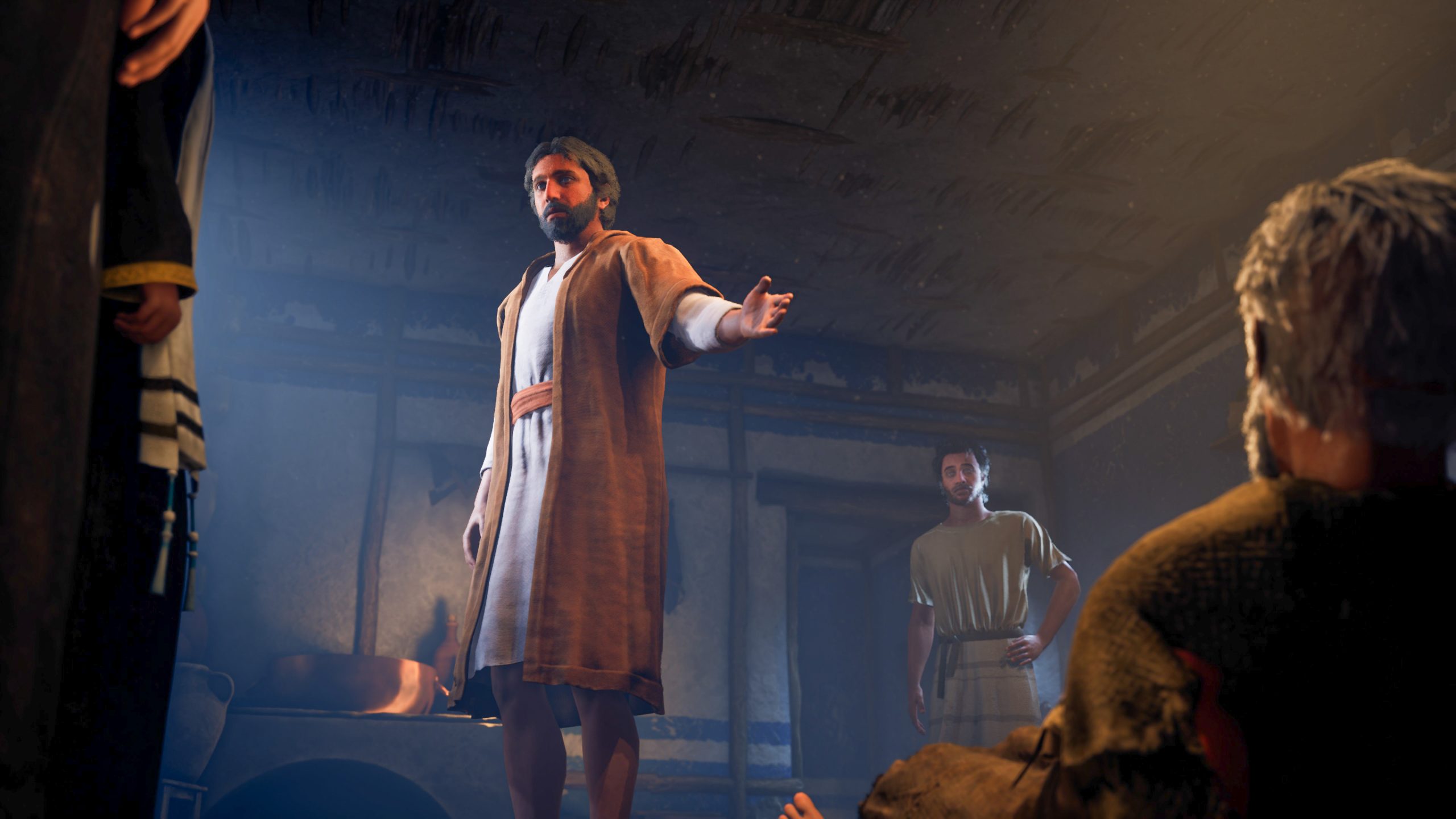
John Gibson: The first game we are developing tells biblical stories, allowing players to experience the Bible firsthand. This is not the only type of content we will produce, but we are not ignoring it either. In the television and movie industries, faith-based content is currently massive. It has gained mainstream success with projects like The Chosen, Jesus Revolution, and House of David. This mirrors the 1950s in America, when movies like The Ten Commandments were mainstream box office hits. Regardless of a person’s faith, these are foundational stories of Western society and are simply great, entertaining narratives. We will not shy away from such content, but our primary goal remains to entertain people.
How did your relationship with the Norwegian studio Bible X begin? Were you always a believer in the project from day one, or did it take some convincing?
John Gibson: I initially reached out to the Bible X team a couple of years ago after seeing videos for Gate Zero in my social media feed. To be candid, I had low expectations for faith-based entertainment, assuming it would not be very good. However, the project kept appearing in my feed, and I eventually decided to reach out. Although I was retired and did not need to work anymore, this project seemed interesting. I quickly got to know the team, and they asked me to serve as their executive game consultant to help make the game better.
When I played what they were working on, I saw a team that was excellent at storytelling and art with a great vision, but they needed help making the game truly fun. BCC Media, the parent organization of Bible X, has long-standing experience in media, including satellite television, film, and animated features. They already used Unreal Engine technology for their animated features. They had the technical and storytelling background, and I brought 25 years of video game design and execution experience to the table. I worked with them for a while to improve the game.
When I started Templar Media, I looked for titles to publish. Aside from the quality of the game, I looked for leading indicators of success. It is challenging to determine what will be successful years in advance. One indicator I look at is social media response. At my previous company, after 17 years, we had about 40,000 social media followers across all platforms. In a short amount of time, Gate Zero and Bible X had 500,000 grassroots followers. My previous company had games with 35 million players that sold millions of copies, yet we only had 40,000 followers. This indicated a very high level of interest in Gate Zero.
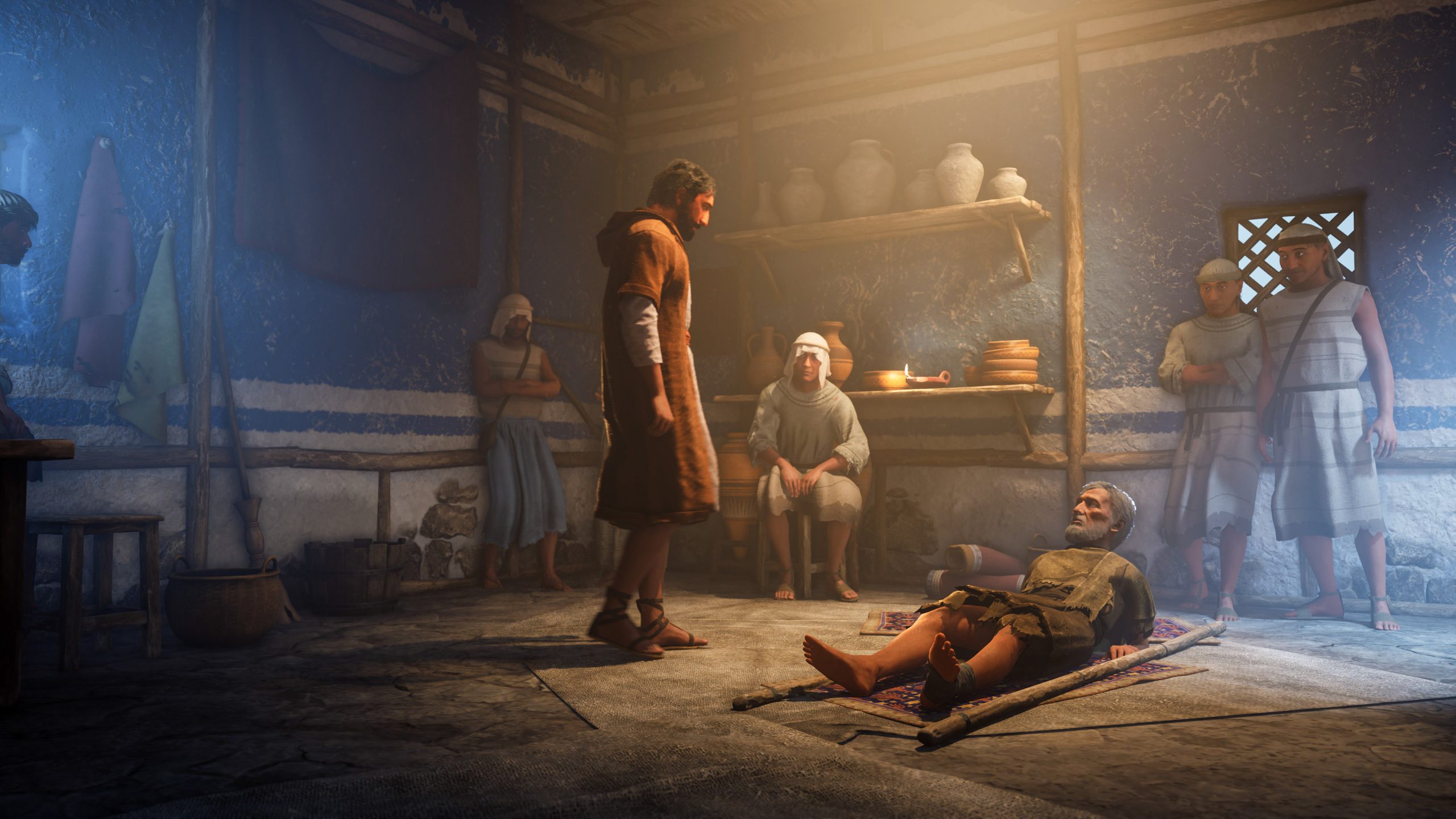
John Gibson: Another business indicator I examined was Kickstarter. While Kickstarters usually do not fund an entire project, they help gauge public interest. Most video game Kickstarters fail, raising an average of about $2,800 to $3,000. When Bible X prepared their Kickstarter, a consultancy firm suggested setting the goal at approximately €30,000. The team decided that was not enough to prove potential success and set the goal at €200,000. They hit €200,000 in less than three days and reached €300,000 by the end of the 30-day campaign. This was a smash hit that proved an audience wants this kind of entertainment.
These indicators led me to sign the game as a publisher. As development has progressed, I have looked for further signs of success. In 2008, when I looked at Killing Floor for my previous company, we saw massive potential and decided to buy the IP. That first game eventually sold 6 million copies. I am seeing even higher indicators for Gate Zero, and as I play what we are creating, I see that something special is being made.
What do you think about the state of the industry? There’s a lot of discussion on the layoffs that have hit big and small companies alike in the past few years, shortly after the COVID-induced boom ended.
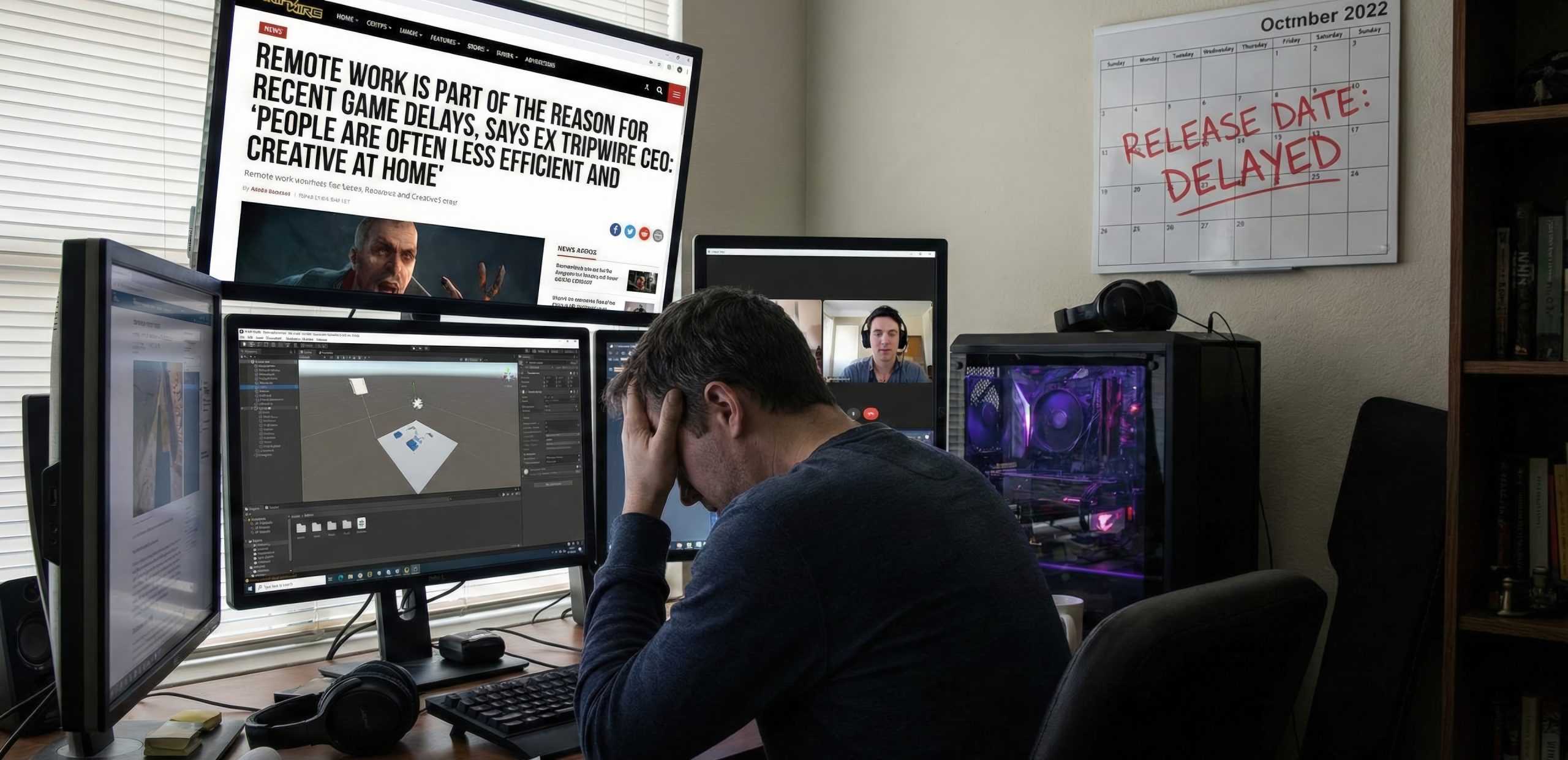
John Gibson: The industry faced a “video game apocalypse” in 2023 and 2024 as things collapsed following the pandemic boom. Games were not always of high quality or were taking much longer to develop. For instance, the sequel to Killing Floor 2 took five years to make. I believe part of the reason for these delays is distributed work. While working from home feels great, people are often less efficient and less creative. Some of the greatest ideas in the games I have worked on came from random encounters in the hallway. Two people might have different parts of a great idea, chat in the hallway, and create a whole concept for the game. As part of this acquisition, the core team on Gate Zero is relocating to our offices in Georgia. Having everyone in the office will allow us to iterate quickly to finish the game. This business decision will result in a more entertaining and fun game for the player.
Another challenge was overinflated salaries during the pandemic. Companies with high COVID-era profits were overpaying for talent. For instance, an engineer might be offered a million dollars for their first year. This was unsustainable, and many of those companies eventually conducted massive layoffs. There is now a reset occurring where people must readjust their salary expectations to fair, sustainable levels.
We are also focused on right-sizing budgets. My lead producer once asked how we could make a game for $100 million, and my response was, “How do you spend $100 million making this game?”. Companies sometimes go bankrupt because they spend too much and lose focus. You have to be pragmatic and scale up with the market.
Fortnite is a major factor in the industry, “sucking a lot of the air out of the room”. To exist alongside it, you must offer a unique experience. It is not necessarily about direct competition. When I made Killing Floor, Left 4 Dead had just come out, and people questioned if the market could support another zombie game. We sold six million copies because the games were different enough.
But the market has grown significantly. When I signed the first Steam agreement in 2005, Steam had perhaps 3 to 5 million users. Now it has about 180 million, and Fortnite has 150 million. In the past, a million units was a massive success; now, successful games can sell 30 to 50 million units. There is room for games that sell 1 to 5 million copies. A rising tide lifts all ships, and a generation raised on games wants diverse experiences. A single-player experience like Gate Zero can find its place in the market. I am also not opposed to making live service games, as we were successful with titles like Chivalry 2 alongside Fortnite.
How many developers are currently working on the game?
John Gibson: Between developers and contractors, there are 25 people on the team, plus about 10 from Templar, totaling 30 to 35 people. While we do not have a GTA budget, this is not a small indie game. It will compete with AAA titles and has a budget greater than $10 million. This is the studio’s first game, so we are careful with spending, intending to increase resources for subsequent versions if the first is successful. I think of it like The Lord of the Rings. The Fellowship of the Ring was a high-quality movie, but once it was a hit, they could put significantly more resources into the second and third films. Gate Zero will be a quality game built on a healthy, reasonable budget.
When I first met the Bible X team, I noted that during my time as CEO and co-owner of my previous company, I was involved in 15 games, every one of which made a profit. Part of that success involves right-sizing the budget and picking a great title. I told the team we should make something undeniably great, and I informed them that it would require doubling their original budget.
Can you share any details about Gate Zero’s pricing and launch window estimates yet?
John Gibson: Regarding pricing, it is too early to share a specific price, but it will be more budget-friendly than other big AAA games. It will not cost as much as an $80 game or a new Switch game, but it will not be a $19 game either. We are over halfway through development; it is not coming out next week, but it will not take two years either.
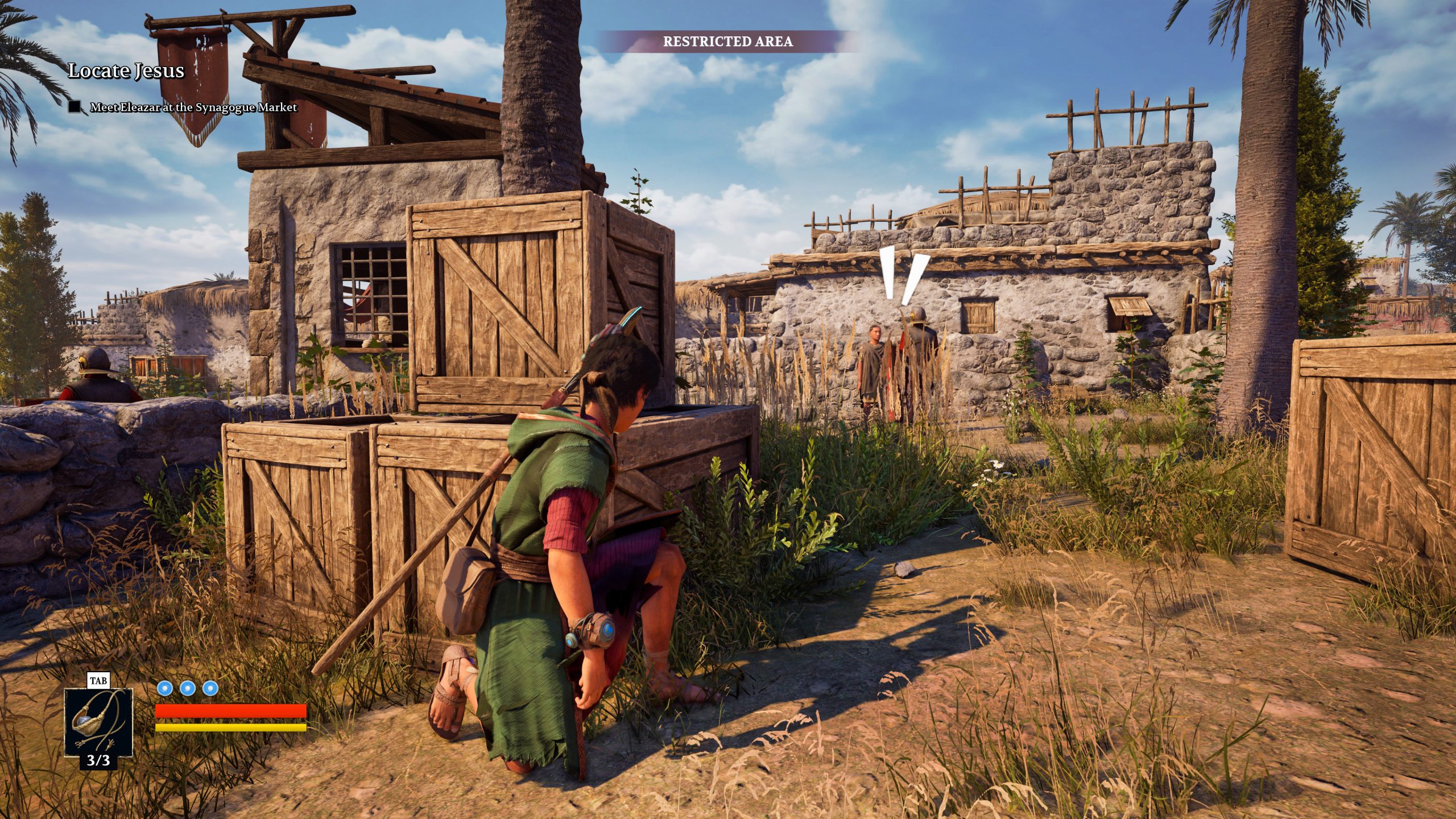
Gate Zero has drawn some comparisons to Ubisoft’s Assassin’s Creed. How do you define the gameplay style, and what other major titles influenced the game’s design?
John Gibson: While there are some of those elements, I describe it as a mix of Assassin’s Creed, the newer Zelda games, and Shadow of Mordor. The comparisons to Assassin’s Creed are natural because we have a time machine and are going back to ancient history. Furthermore, we have several former Assassin’s Creed developers on the team, including an art director who worked on several entries in that series. We also have the Assassin’s Creed contract art team and developers from other major games. I worked on Killing Floor, Maneater, and Chivalry 2. We have people from Rockstar who worked on Red Dead Redemption and GTA, as well as a developer from the original Thief game. The game includes stealth, action, exploration, and puzzles. It will be a unique combination of genres with a deep narrative and narrative trees.
I love narrative and stories, and I am a fan of games like Mass Effect and Detroit: Become Human, where choices matter. In Gate Zero, the character Max is a 15-year-old who is not a person of faith. He uses a time machine to end up in 30 AD during significant events. He grows through moral decisions that are not always cut and dry. These decisions impact the story, dialogue choices, and who aligns with him. We want the player to have agency in their story.
Given the target audience of faith-based entertainment, I have to ask how much action (and potentially blood) there will be in your game.
John Gibson: We are holding off on discussing the action in detail until early next year because we believe we have something compelling that people have not seen before. There is compelling action in the game; it is not a “walking simulator” or strictly a puzzle game.
By the way, we also have specific rules for time travel to avoid messing up the timeline. Max looks like he could be of Italian or Roman heritage. If he goes around killing Roman guards, he might inadvertently kill an ancestor and cease to exist. Designing around these constraints forces us to be creative. It is similar to the challenges we faced making the shark gameplay in Maneater fun. Because the game is set in 30 AD rather than a time of open war like the eras of Samson or David, putting action into it is an interesting design problem.
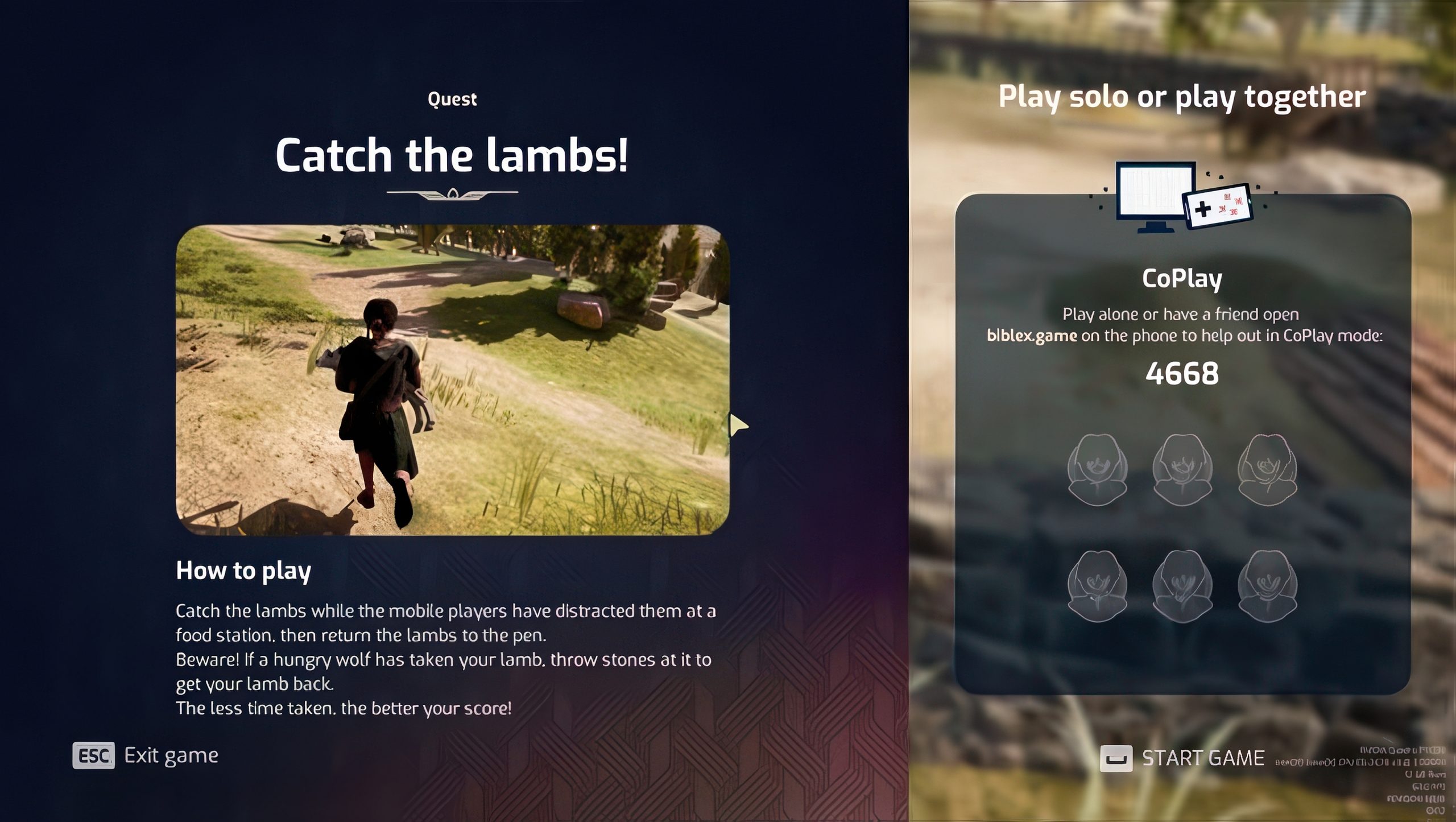
I’ve read that the game will feature a co-play element that works with smartphones. What can you share about that?
John Gibson: Often, when someone plays a single-player game, their friends get bored and look at their phones. The co-play feature engages everyone in a party atmosphere. Friends can play mini-games on their phones that help the player on the screen. This scales to larger groups of up to 10 people. I have never seen this done well before, as mobile apps for games often just feel like an extension of the HUD. Because of the faith-based elements, youth groups could play the game together, which is a unique group element for the target audience.

Finally, let’s discuss the proverbial elephant in the room: the usage of AI in the games industry. Some developers recently came under fire from fans after disclosing their usage of AI. Where do you stand on this topic?
John Gibson: When used properly, AI is a tool that speeds up human creativity rather than replacing it. For Gate Zero, our concept artists might hand-draw a concept and then use AI to generate 10 other versions to accelerate development. It helps augment the increasing costs of development. We are still very far from a “Star Trek holodeck” that can generate entire games on command.
In the 1990s, teams had to create their own game engines. Later, the licensing of engines enabled smaller teams to make better games that could compete with big developers. Similarly, AI can give smaller teams an edge. More broadly, AI presents challenges that governments may not be ready to tackle. If AI and robotics converge alongside quantum computing, economies and the world will change significantly. It might not be The Terminator, but it could be I, Robot.
In Templar Media, my policy is that AI answers cannot be considered truth. Employees can use tools like ChatGPT to find a direction, but they must always find and share the primary source for any fact. ChatGPT often gets things wrong. For example, I once searched for the production numbers of a rare 1983 Pontiac Trans Am I own. The AI stated that about 600 were made, which was correct, but its primary source turned out to be my own Instagram post. AI is a tool, but do not assume it knows everything or is always correct.


Definitely. Thank you for your time.
Follow Wccftech on Google to get more of our news coverage in your feeds.
VIA: wccftech.com