

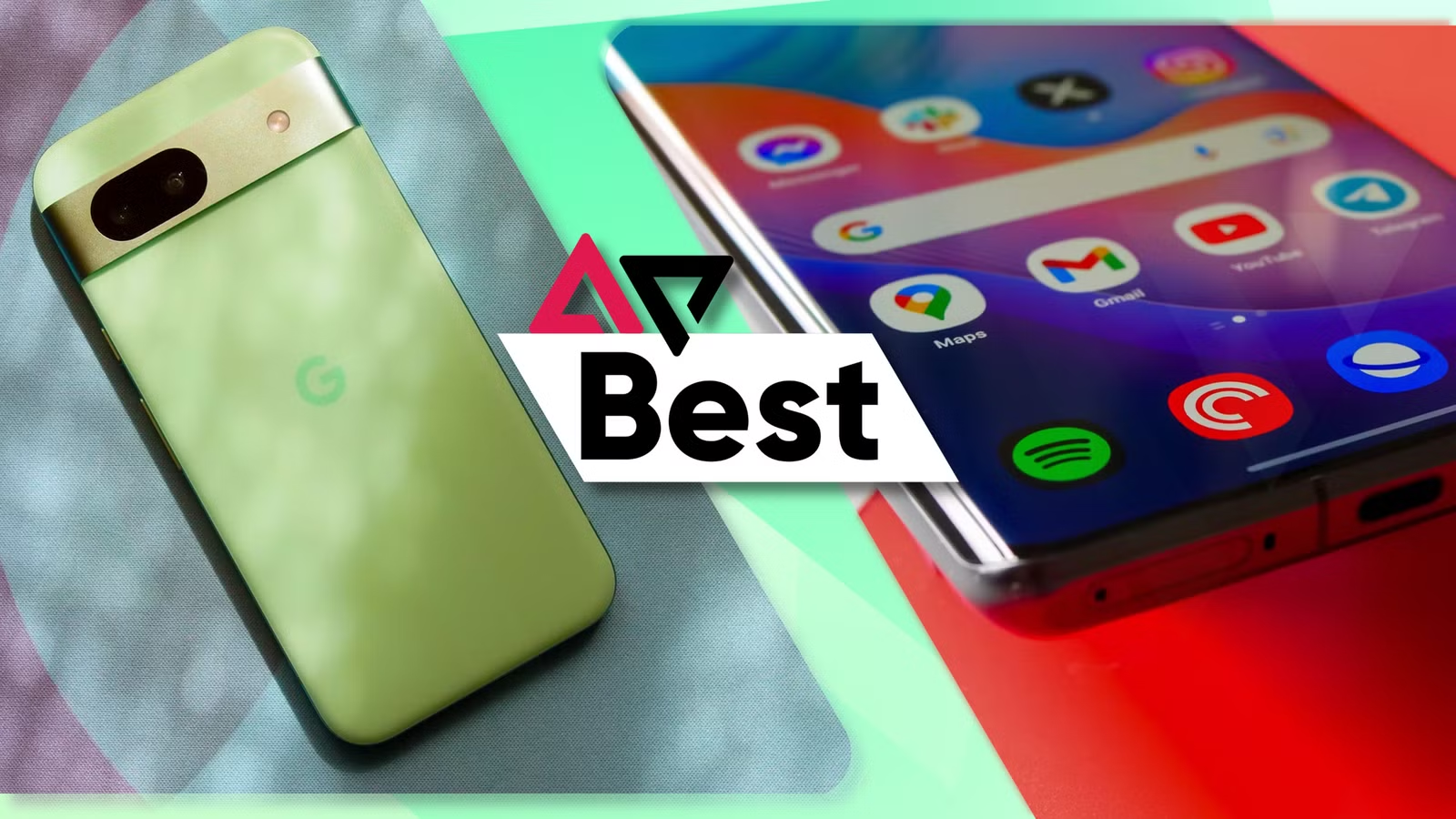
Midrange phones are nice because they give you the best of both worlds.
They stick closer to the wallet-friendly limits of budget devices while providing some of the cooler features that trickle down from Android flagships.
No longer relegated to flagship wannabes or neutered posers, they are increasingly capable smartphones that offer a premium experience for a fraction of the price.
With that in mind, this list of Android devices usually costs under $700 without compromising on performance or quality.
Even if you have to accept compromising on some features, they give you the chance to save a few dollars if you decide to make one of them your next purchase.
Top midrange Android phones

9/10
- SoC
-
Google Tensor G4
- Display type
-
Actua display
- Display dimensions
-
6.3-inches
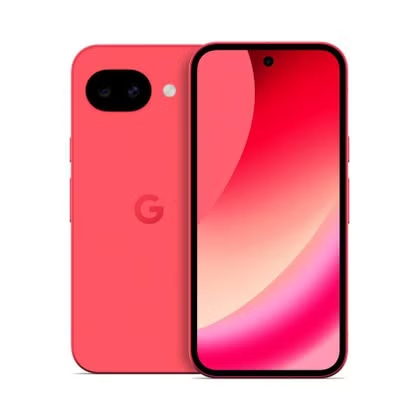
The Google Pixel 10a features a Tensor G4 chipset and 8GB of RAM. It includes a 6.3-inch Actua panel and a 1080p resolution. The phone packs a 5,100mAh battery and a 48MP primary camera sensor, with a 13MP ultrawide lens. It ships with Android 16, and Google promises 7 years of software updates.
- Fantastic performance
- Impressive software
- Great cameras
- Very little has changed from the Pixel 9a
- 128GB is fairly low for base storage
The Google Pixel 10a is one of the best phones you can get for $500, especially as prices keep rising.
But it’s still not perfect, since Google did not make substantial changes compared to its predecessor, the Pixel 9a. For example, the display size is 6.3 inches, and it is still powered by the same chipset, the Tensor G4, as the Pixel 9a.
Though Google did include a few notable upgrades, like the addition of Gorilla Glass 7i and the Exynos 5400 modem to improve efficiency and connectivity.
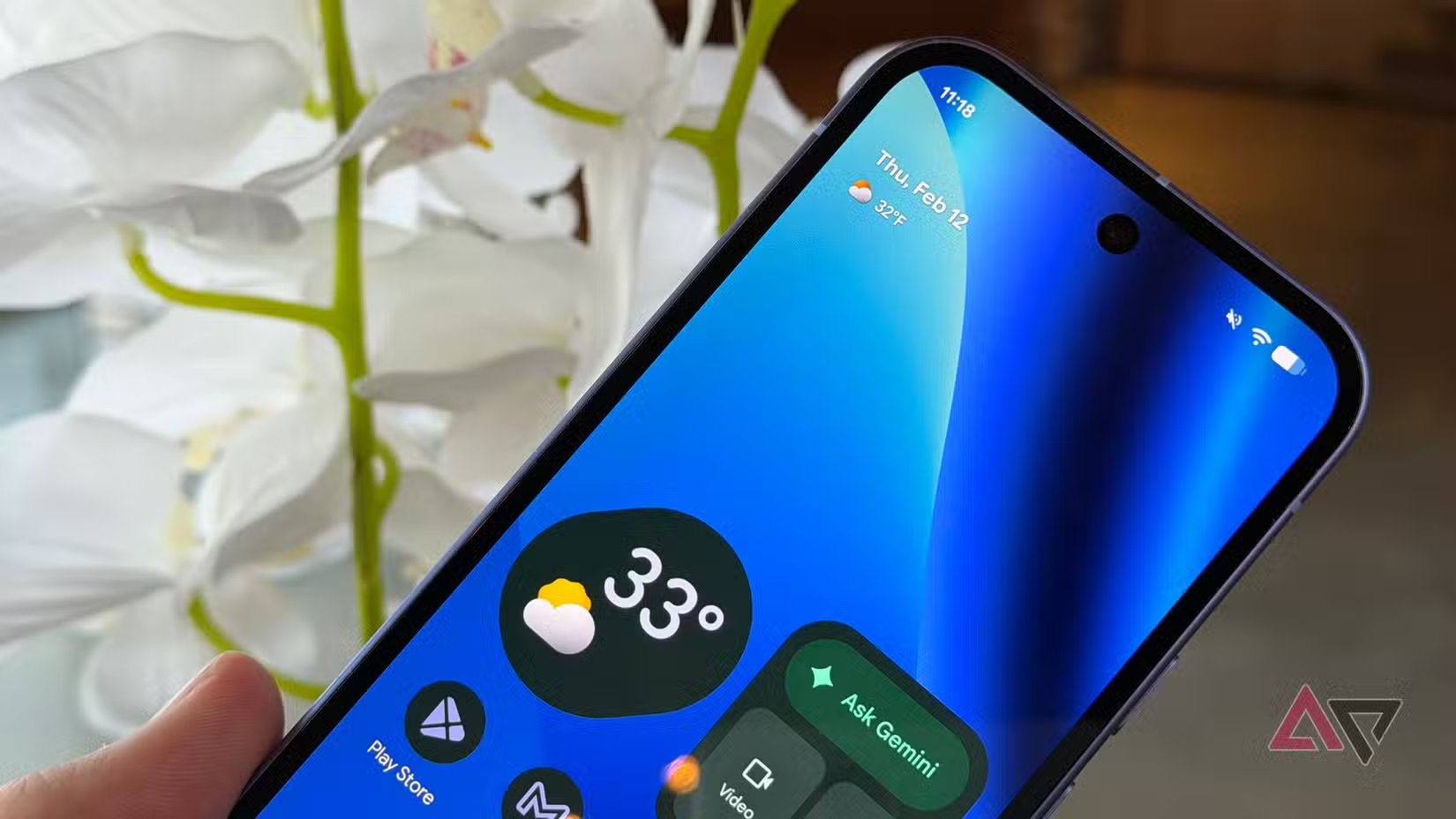
One big highlight of Google’s Pixel lineup is the display. On the Pixel 10a, the Actua screen remains vibrant, producing rich colors.
The display can reach up to 3,000 nits, making outdoor viewing easy. So all in all, you won’t be disappointed with the display experience; it is pretty much on par with the Pixel 10.
As expected from Google, the software experience is still excellent, and the Material 3 Expressive is also a wonderful addition to the Pixel UI.
To top it all off, Google keeps its word and promises seven years of software updates for the phone, which is not the norm for midrange phones.
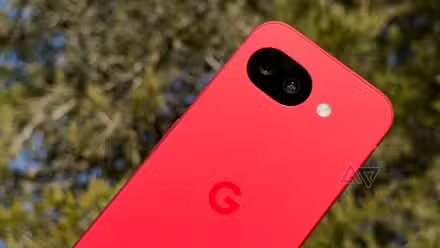
The Google Pixel 10a is easy to criticize — until you use it
Google knows who is buying
The Pixel 10a has a great 5,100mAh battery that delivers around two full days of mixed use on a single charge.
Cameras are usually a highlight on a Pixel device, and the Pixel 10a keeps the AI-driven photography at a high level — it is hard to find a better camera experience for this price point.
The Pixel 10a is definitely one of the best, if not the best, easily obtainable midrange smartphones that money can buy, especially if you can find it at a discount.
- SoC
-
Exynos 2400 Deca-Core (4nm)
- Display type
-
Dynamic AMOLED 2X
- Display dimensions
-
1080 x 2340
- RAM
-
8GB
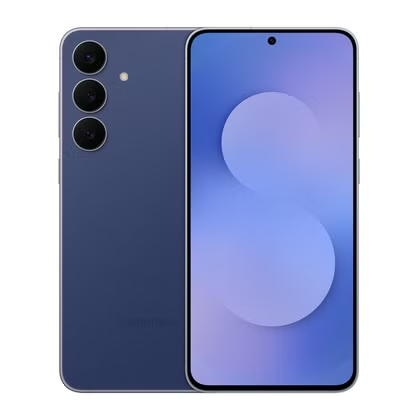
Samsung’s Galaxy S25 FE aims to deliver the flagship experience of the 2025 lineup in a more budget-friendly option. Featuring a 6.7-inch display, a triple-camera cluster, and a host of AI features, at a fraction of the cost.
- Colorful display
- Dependable performance
- Capable cameras
- Minor upgrades over the Galaxy S24 FE
- Not budget pricing
The Samsung Galaxy S25 FE is a good in-between device, a bit better than the average mid-range phone but not quite as powerful as a flagship.
It’s for users who need to cut costs but still want the same software experience as the newly released flagship.
The Samsung Galaxy S25 FE is much more comparable to the base S25, but it just doesn’t have the processor to back it up. The phone uses the Exynos 2400 chipset with 8GB RAM, rather than the Snapdragon 8 Elite, and also shaves off the RAM, which is to be expected.
But the Galaxy S25 FE improves in other areas, and that’s where it might matter more to the average user.
For example, the Galaxy S25 FE has a decently sized battery (4,900mAh) and faster 45W charging.
Software support is also golden. Samsung plans to provide seven years of support for OS and security updates.
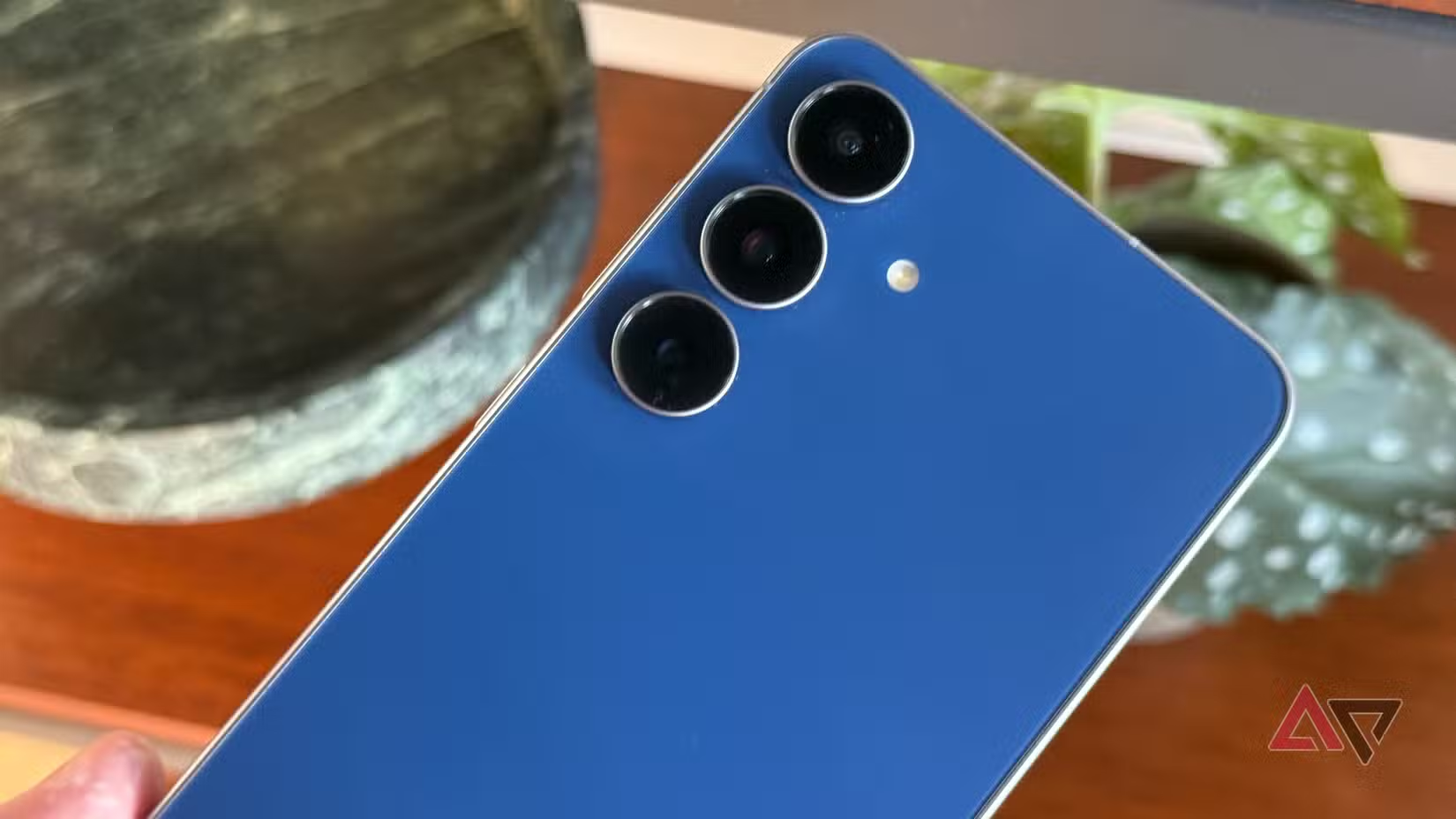
The display is really good. It features a 6.7-inch Dynamic LTPO AMOLED 2X display, offering a premium 120Hz experience that’s pretty much on par with flagships. But that comes with a $650 premium, which is necessary to justify its higher price.
Cameras are fairly good, still not quite at the higher end of where phones are all, but for an expensive mid-range phone, it’s much closer to flagship (50MP main lens is very strong) performance.
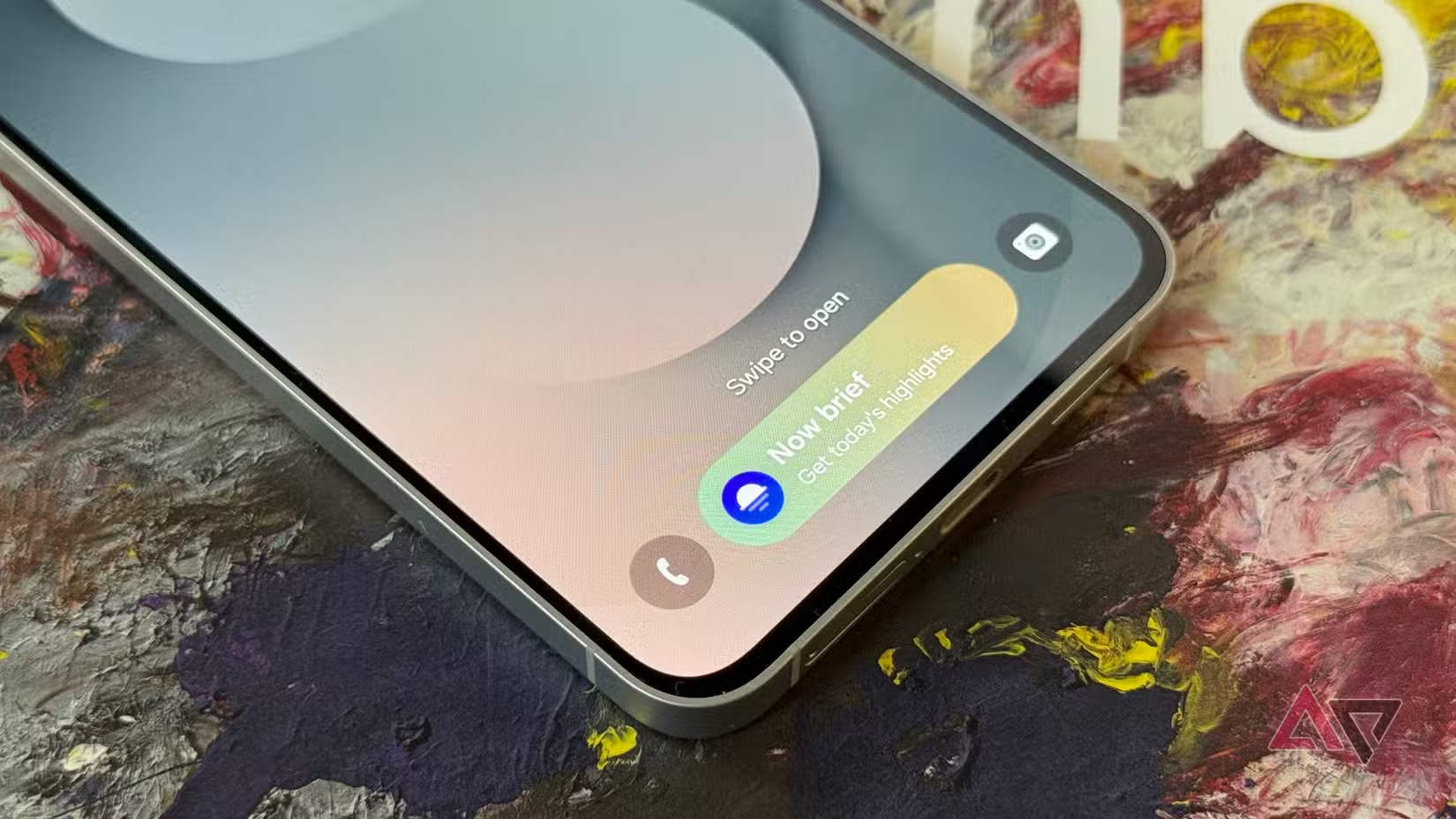
AI still does most of the heavy lifting to make photos look even better in low-light conditions — but that seems to be the future in mobile photography.
Overall, it’s a really good phone. The cutbacks aren’t that bad.
Considering the next step would be to buy a last-gen flagship, it might not be worth even going for the base Galaxy S25. Plus, at a discount, this phone still delivers a great Samsung experience.
- SoC
-
Samsung Exynos 1330
- Display type
-
AMOLED
- Display dimensions
-
6.7 inches
- RAM
-
4GB
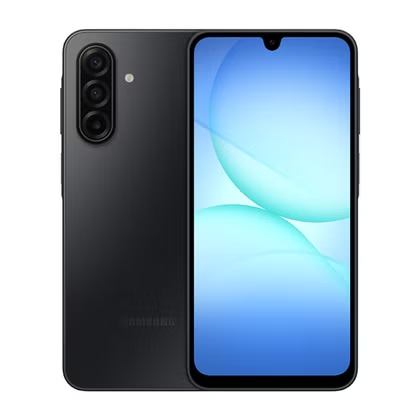
The Samsung Galaxy A17 5G offers a gorgeous 6.75-inch AMOLED display that refreshes at 90Hz for $200. Its 50MP camera delivers good images for the relatively low price.
- Great display
- Decent battery
- Six years of software support
- 4GB of RAM is too little
- Plastic build
We decided to include a budget device like the Samsung Galaxy A17 5G to show you that you can get premium features with fair everyday performance at the bottom end of the midrange options.
At $200 or less, the Galaxy A17 sports a vibrant 6.7-inch AMOLED display that refreshes at 90Hz.
And while its Exynos 1330 chip won’t turn many heads, it still gets the job done, offering smooth scrolling through social media and decent gaming at lower settings.
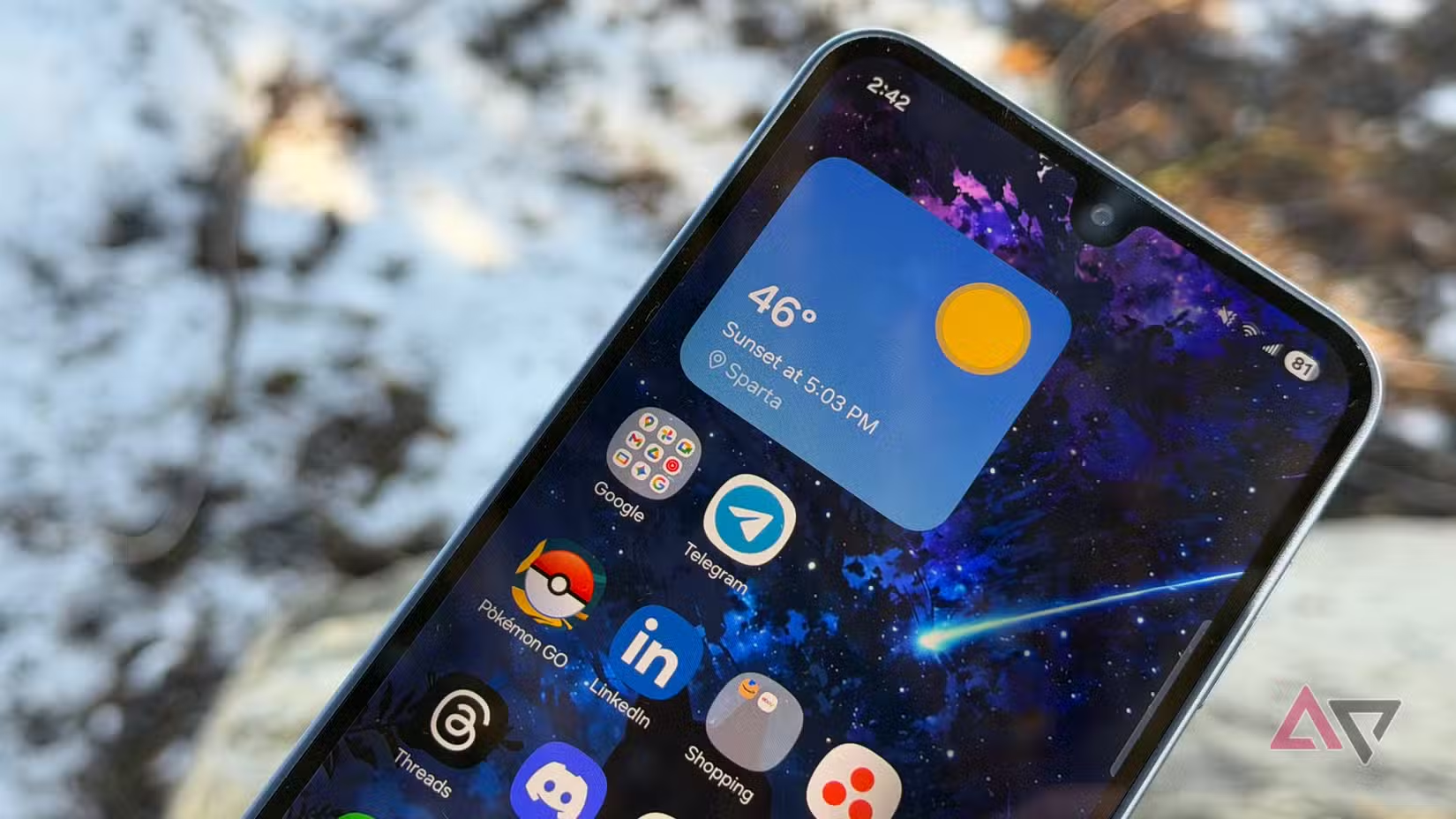
It also doesn’t look like a $200 phone. Samsung designed the Galaxy A17 to match other devices in its lineup, sporting a decent 50MP main camera sensor that delivers fair-looking photos in good lighting.
Every aspect of the Galaxy A17 screams value, with six years of Android upgrades and security updates — impressive support for the money.
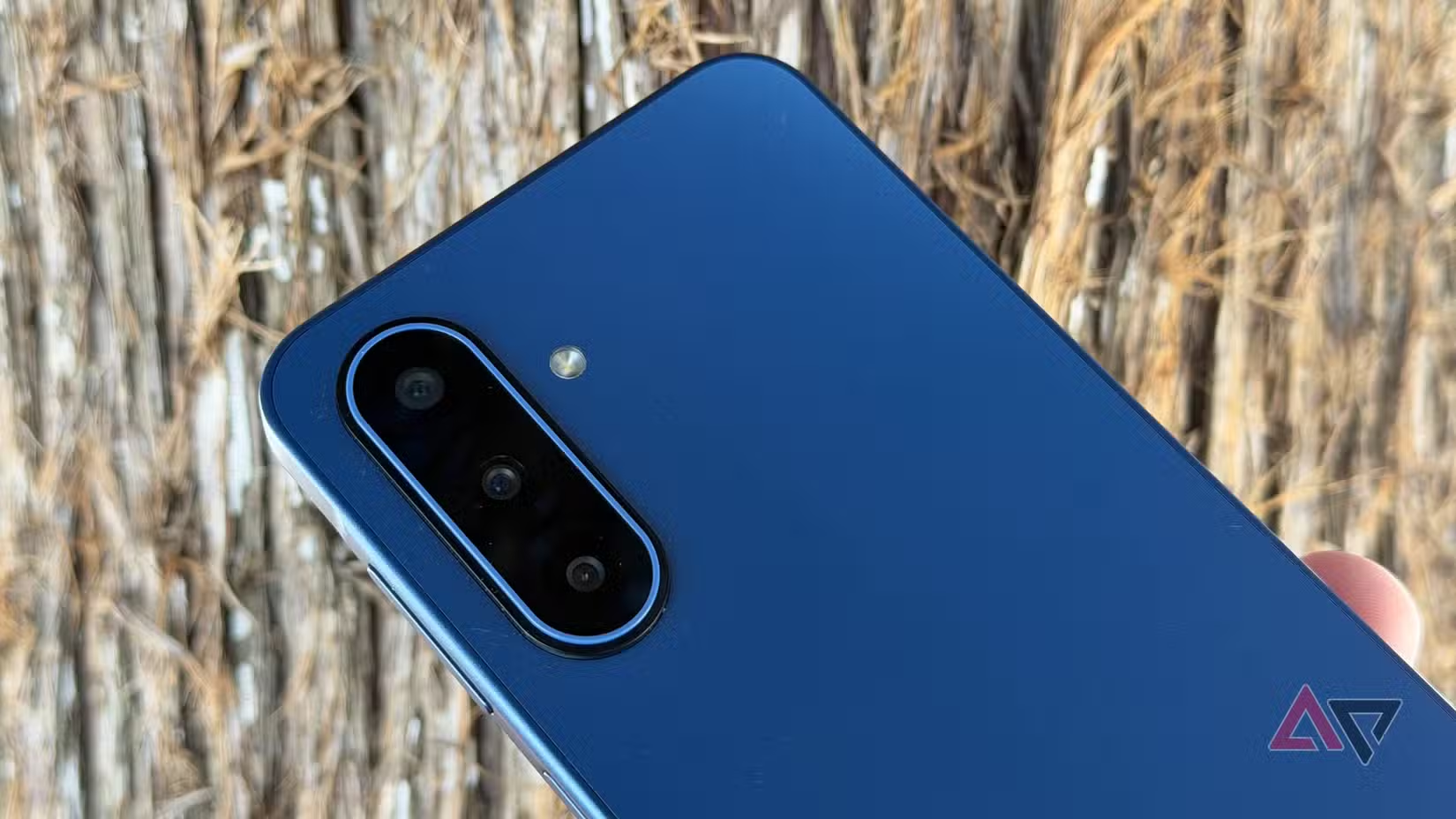
No one says the Galaxy A17’s cameras can come close to something in the upper-tier range, but you’ll be surprised with the results.
In low light, things fall apart, but if you keep your expectations in check, the Galaxy A17 brings a lot to the table at a relatively affordable price.
- SoC
-
Snapdragon 8 Gen 5
- Display type
-
AMOLED
- Display dimensions
-
6.83-inches
- RAM
-
12GB
- Storage
-
256GB, 512GB
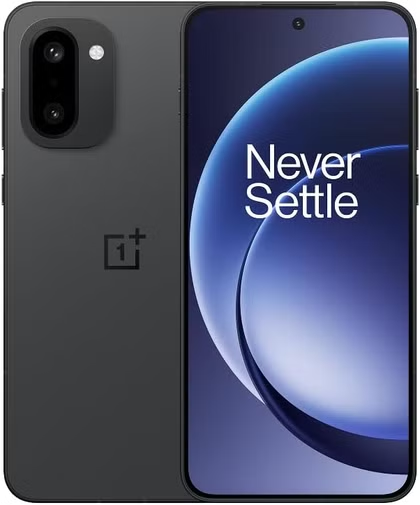
The OnePlus 15R lives up to its name as a true flagship killer. Priced at $700, the OnePlus 15R delivers premium specs, including a hefty 7,400 mAh Silicon NanoStack battery, 12GB of RAM, and a 6.83-inch 1.5K AMOLED LTPS display capable of reaching a 165Hz refresh rate.
- Massive battery
- The Snapdragon 8 Gen 5 processor is decent
- Great display
- No wireless charging
- Cameras aren’t the best
We loved the OnePlus 12R and the OnePlus 13R, so it’s only natural to be excited about the OnePlus 15R, which arrived in the US after a brief launch delay.
And the wait was worth it, because once again, OnePlus released another flagship killer. While it is still pushing a little close to the premium price range ($700 is on the high end for midrange), the phone is still quite worth it, despite some flaws.
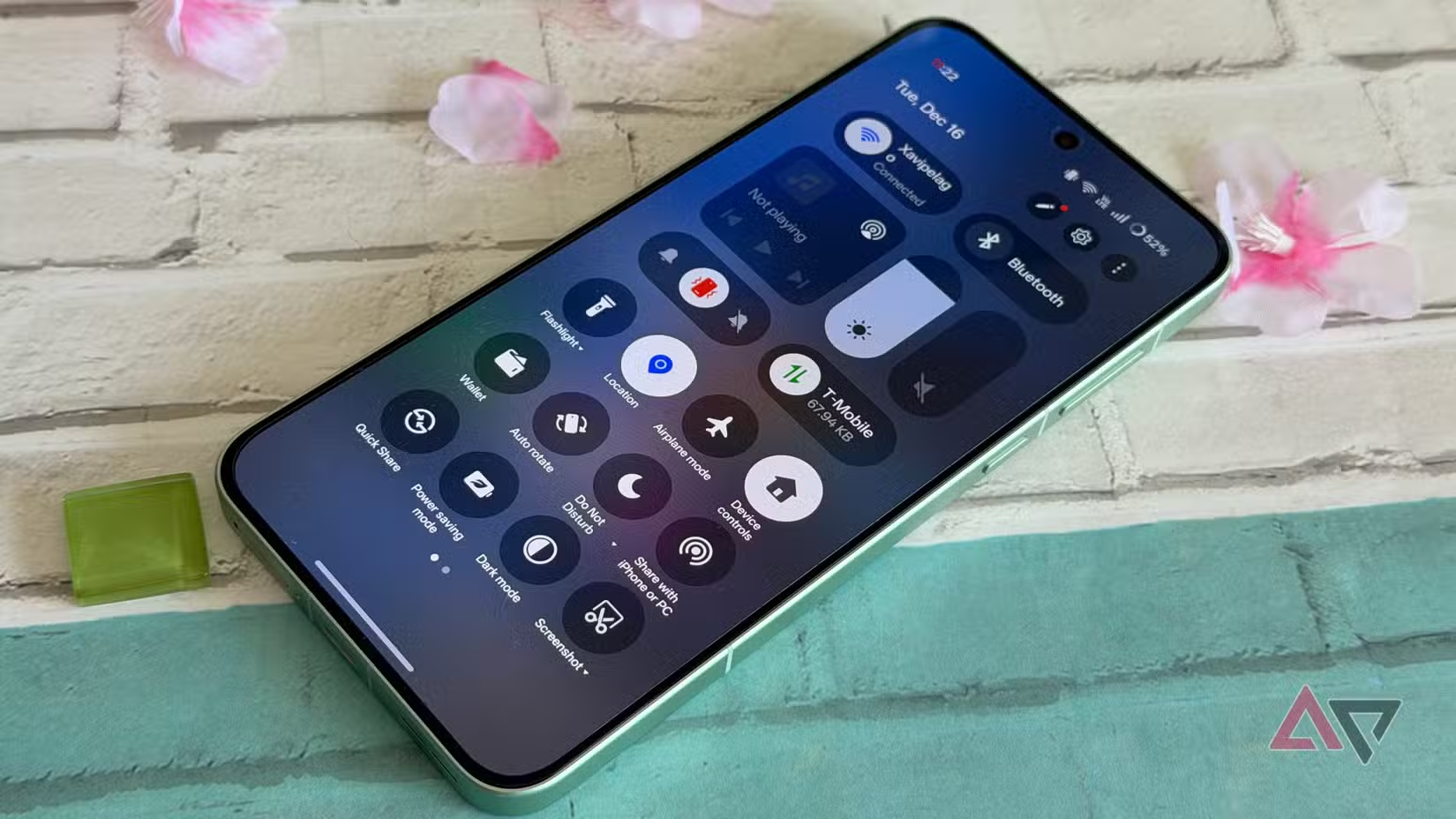
The OnePlus 15R is equipped with the Snapdragon 8 Gen 5 chipset (not to be confused with the Snapdragon 8 Elite Gen 5) — while not a top-tier Qualcomm chip, it still offers fairly strong performance. But that’s partly why OnePlus could afford to keep this at a midrange price.
The OnePlus 15R has an incredible battery with a 7,400mAh capacity, which is pretty hefty even by other flagships’ standards.
OnePlus did not cut that many corners on the display. The OnePlus 15R features a 6.83-inch AMOLED display with a 165Hz refresh rate while gaming. Visuals are never lost since they can support up to 2800×1271 resolution (450 ppi).
It’s really a fantastic display experience, but it sometimes lacks efficiency (it lacks the advanced LTPO technology found in the OnePlus 13R).
The OnePlus 15R has 12GB of RAM and a starting storage of 256GB of faster UFS 4.1 storage — these are basically on par with flagship specs.
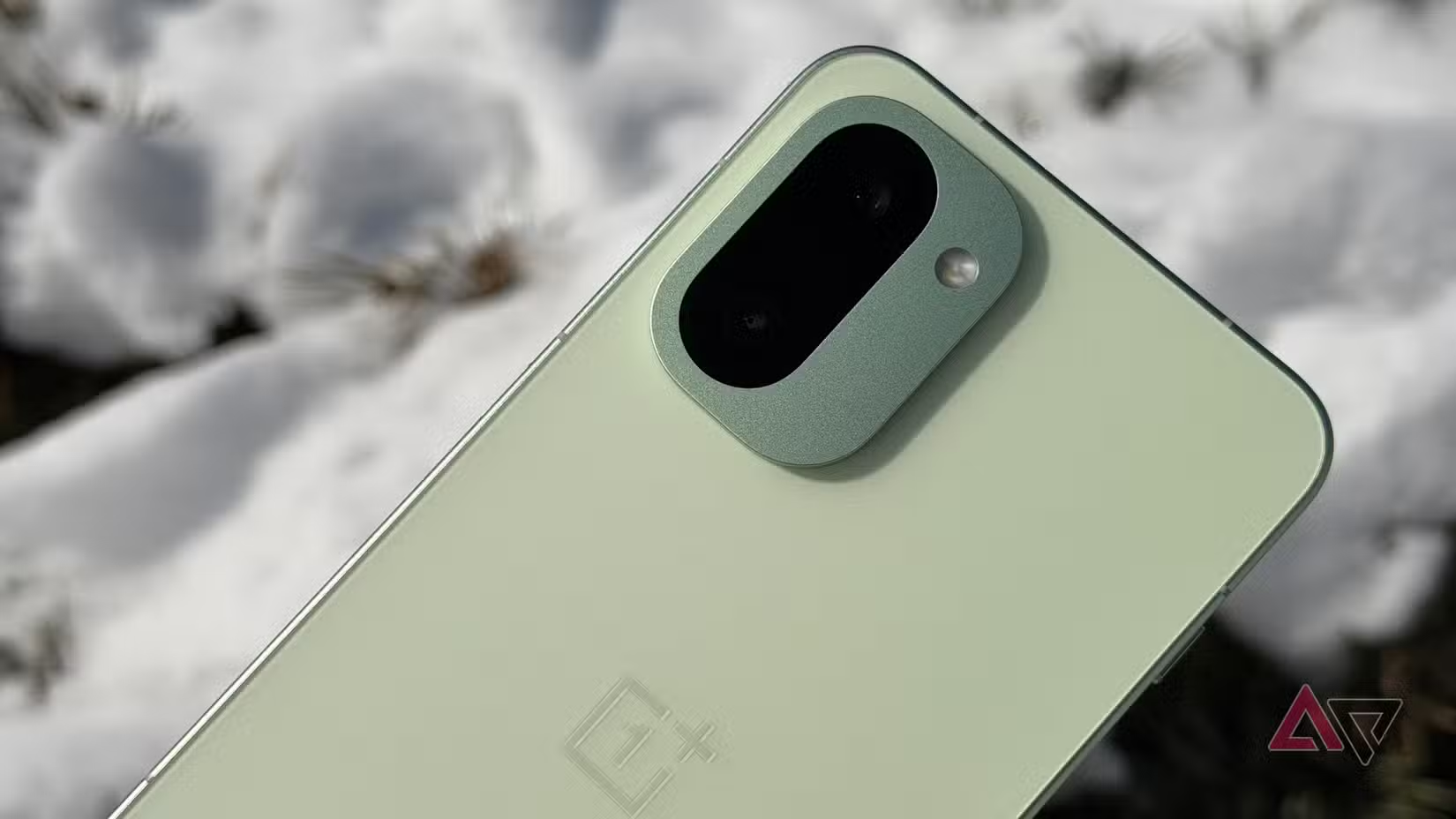
But here’s where it’s obvious that the OnePlus 15R is still a midrange device.
The camera system, while not awful, is still only fine. And even though the battery life is great, OnePlus still doesn’t include any wireless charging options, which is a bit disappointing.
Software support is fine; expect four years of OS updates and six years of security updates. Not quite as high as Google and Samsung’s upper-tier midrange phones, but it is still good enough.
But despite some minor shortcomings, the OnePlus 15R is still a steal for a premium midrange device. Yes, $700 is still a bit expensive, but if you can grab it at a discount, you’ll definitely get your money’s worth.
- SoC
-
MediaTek Dimensity 6300
- Display type
-
LCD
- Display dimensions
-
6.7″
- Display resolution
-
HD+
- RAM
-
4GB
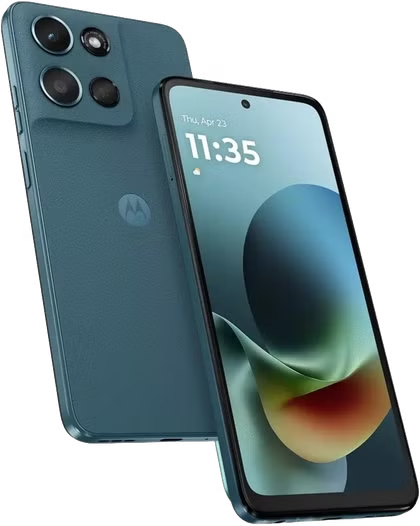
The Moto G Play 2026 is an excellent, stylish lower-tier midrange phone that delivers on battery life and light everyday performance with the MediaTek Dimensity 6300 chipset. It comes with 64GB of internal storage and supports microSD expansion up to 1TB.
- Vegan leather back
- Expandable storage
- Budget-friendly
- Sluggish performance
- Slow charging
This is another one of those budget phones at the lower end, but that is not necessarily a bad thing, since this one does a good job of punching above its weight.
The display is a 6.7-inch LCD with a fast 120Hz refresh rate and bright 1,000-nit peak brightness, meaning you can take this phone outside and still see everything on the screen — and it’s pretty good for indoor viewing.
The decision to go with a low 720p HD+ resolution bites, as it can noticeably reduce screen detail. What can you do on a tight budget?
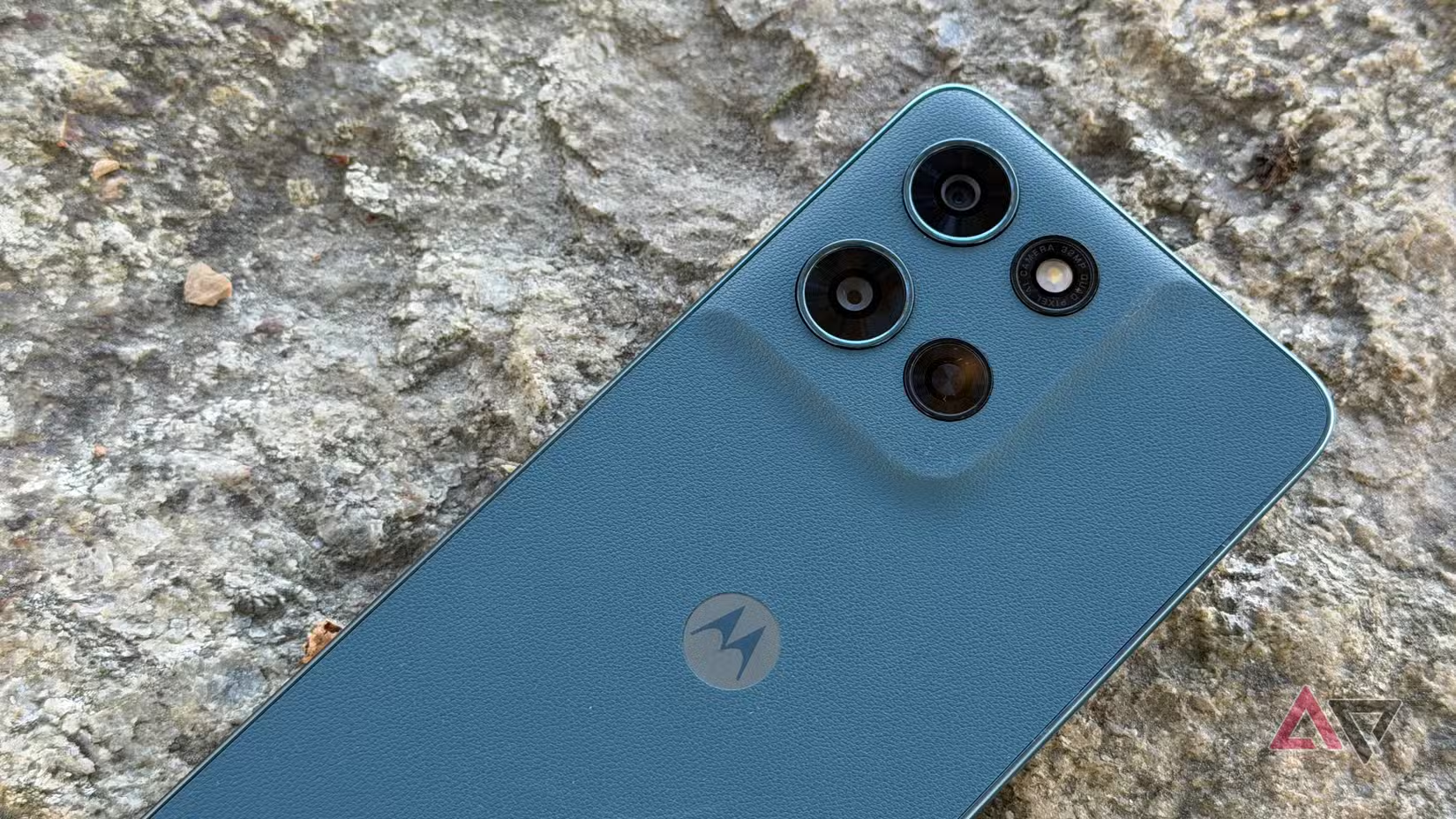
The other downside of LCD technology is that it lacks OLED panels, so darker colors won’t look as sharp and defined as on an OLED display. But it’s still good.
The phone also has a decent battery. The 5,200mAh battery can give you up to a day or two of use before needing to charge, depending on whether you are a light or moderate user. The charging, however, is slow (it doesn’t support wireless charging either).
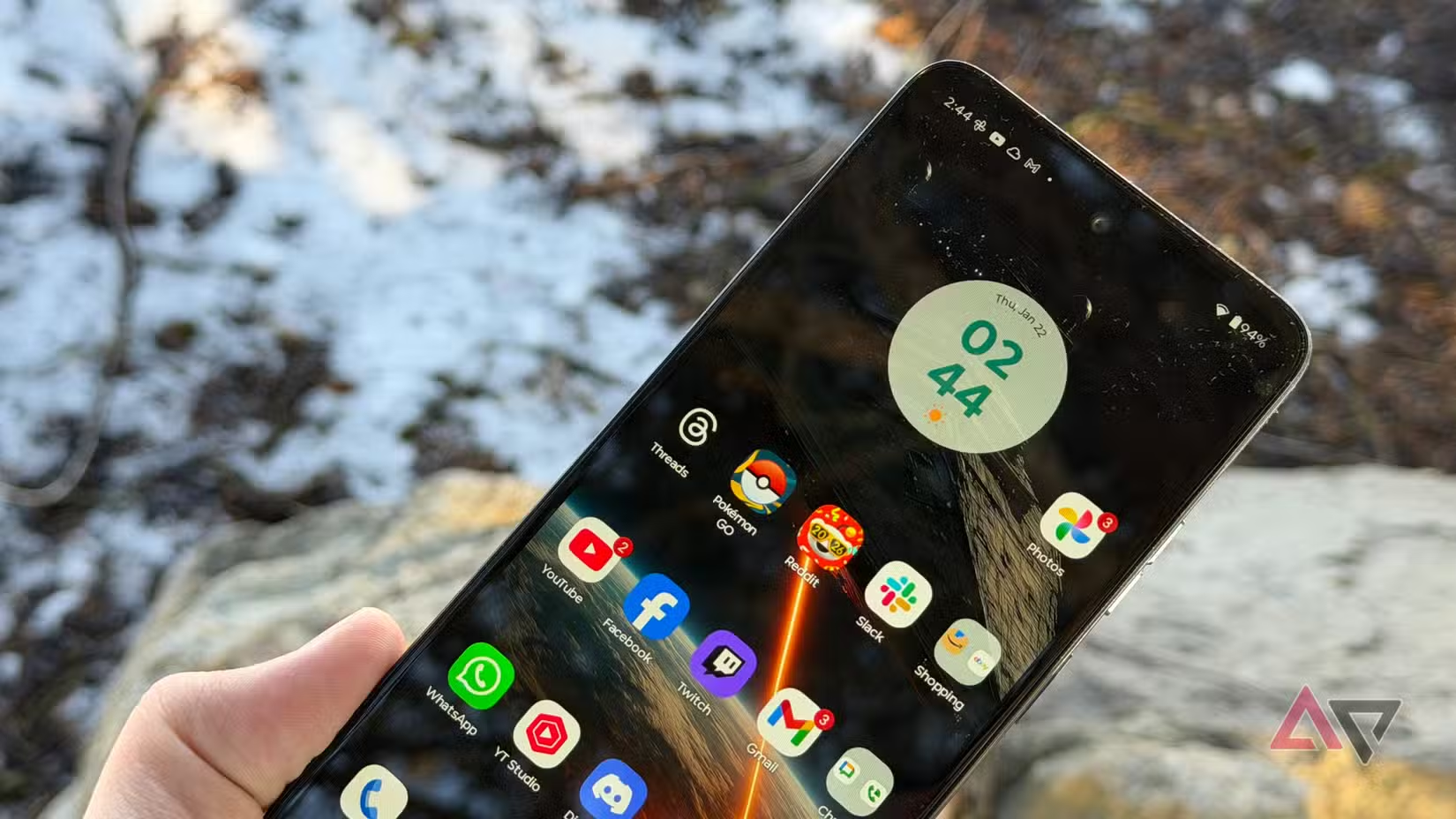
However, Motorola did well in adding a few niceties to this device: The 3.5mm headphone jack is back, and it also has expandable memory (up to 1TB via a microSD card).
Plus, this phone still sports modern specs like 5G connectivity and, okayish, 32MP cameras.
Software support is where Motorola rears its ugly head with this budget offering. You’re only getting two years of OS upgrades and three years of security. But this is still a low-end device, so maybe extending it out even more doesn’t really make sense.
At $300 and below (and sometimes, below $200), you’re not going to get much better, except maybe the Samsung Galaxy A17 5G, so it’s more about personal preference, since Motorola always thrives around a more minimalist experience compared to Samsung.

7/10
- SoC
-
Snapdragon 7s Gen 2
- Display type
-
pOLED
- Display dimensions
-
6.55 inches
An early Qi2 charging phone with a big battery and fast charging speeds is big news for Android users. Designed in conjunction with iFixit, it allows for easier repairs and swapping the screen, rear cover and battery is all remarkably straightforward. However, much of the technology in the HDM Skyline isn’t cutting edge, and the distinctly average cameras will seem below par in a couple of years.
- Easy to fix phone
- Qi2 wireless charging
- Customisable button
- Inelegant design
- Mediocre cameras
- One two years of OS support
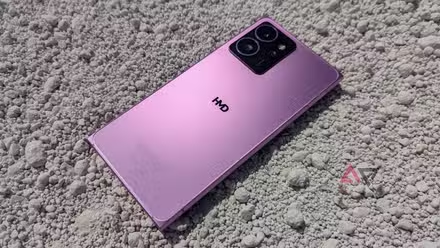
Most phone makers make their devices nearly impossible to open or fix. However, the thinking behind the HMD Skyline is that it can be easily disassembled with an iFixit tool kit, and users should be able to address common issues, such as the screen breaking or the battery dying, rather than buy a new phone.
However, making it that accessible has saddled the HMD Skyline with an awkward geometric form factor that doesn’t feel elegant or natural.
Maybe the reason other phones are difficult to fix is also due to how they’re internally structured, where assumptions can be made to make them thinner and shaped less like the 1980s Volvo.
The HMD Skyline pushes Android phones in the right direction
Repairability and Qi2 help the Skyline shine
The strength of this design is that it supports the new Qi2 wireless charging standard and can also charge quickly with a wired charger.
However, that needs to be balanced against some average camera sensors, a screen that isn’t bright by current standards, and the maker’s promise of only two years of Android updates.
Overall, the HMD Skyline is a unique design that doesn’t quite hit the high notes.
Just note that HMD phones have limited availability. The company has sadly exited the USA market as of July 2025.
- SoC
-
Qualcomm Snapdragon 7s Gen 4
- Display dimensions
-
6.78-inch
- Display resolution
-
1224 x 2720
- Battery
-
5,080mAh
- Charge speed
-
50W
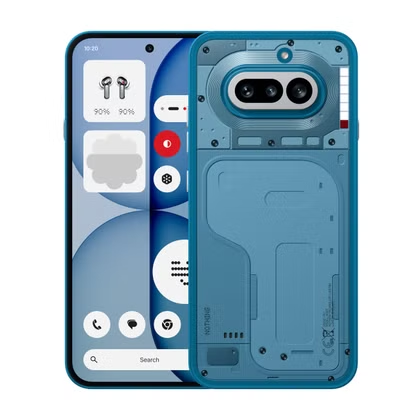
The Nothing Phone 4a offers more power than its predecessor, with a Snapdragon 7s Gen 4 at its core and a new 3.5x periscope telephoto lens. It sports a gorgeous 120Hz AMOLED display and 50W fast wired charging. It also has a unique style, with glyph lighting providing incoming text and call notifications.
- Fantastic display
- Great battery life
- Premium build
- Difficult to buy
- Not great ergonomically
The Nothing Phone 4a is a bit of a weird one. It’s an excellent mid-range phone, and a great testing ground for those who want to experience Nothing’s software and design gimmicks without breaking the bank.
But the phone is not easy to secure if you’re in the US, and getting it certified by a US carrier is also a bit of a struggle.
Despite the challenges, it’s a great phone we couldn’t bring ourselves to write off.
If you live in the UK, India, or other regions, you can snag this mid-range device starting at £350, which is a little below $500 USD.
As for what it offers, it has the specs to back up its top-tier midrange design.
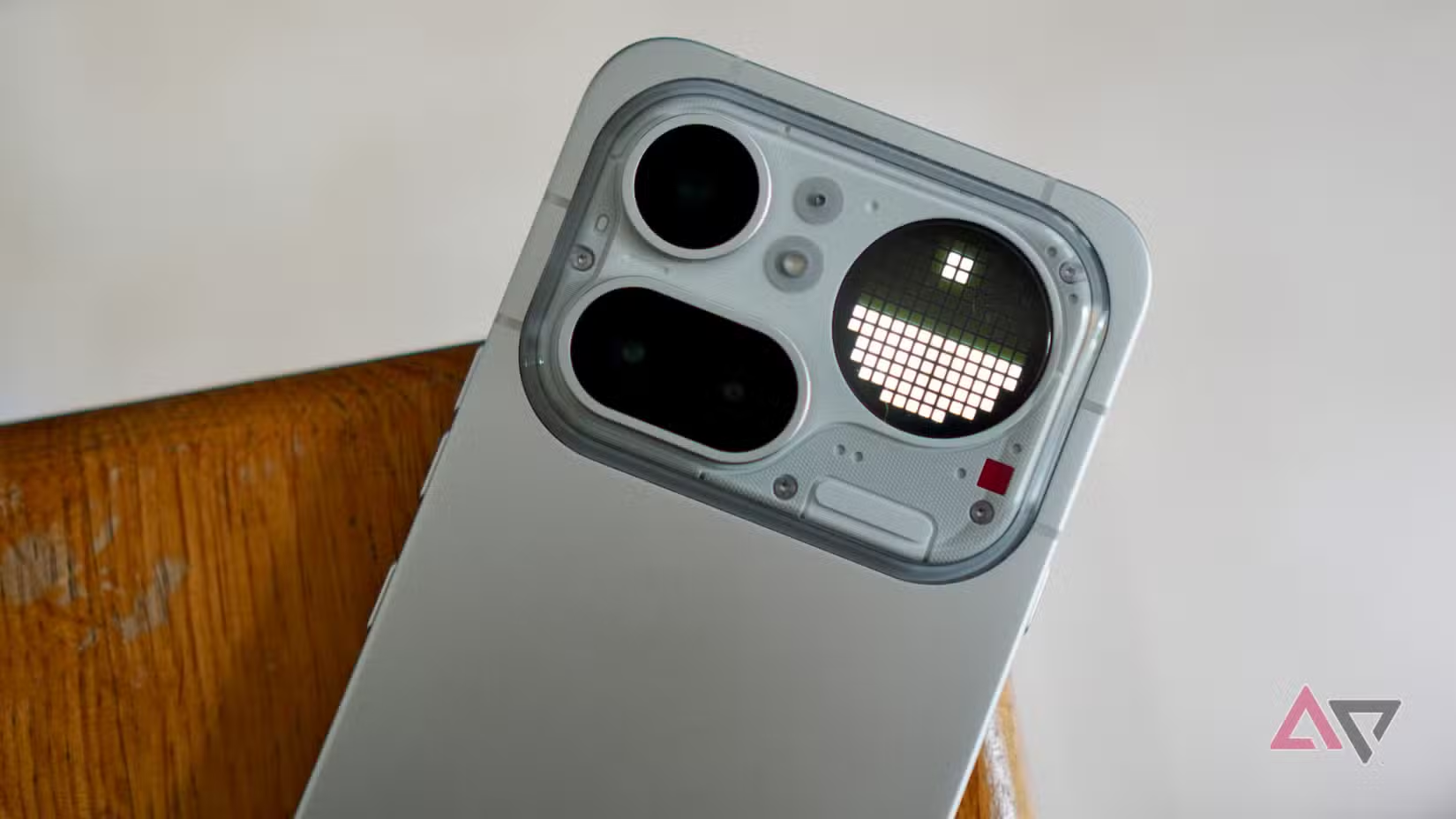
The Nothing Phone 4a features a 5,080mAh battery (size may vary by variant; you may see 5,400mAh) and 50W wired fast charging, which is fairly solid.
Outside of that, the phone has an IP64 dust- and water-resistant rating, which is good enough protection against dust and water splashes.
The Nothing Phone 4a also comes with Nothing OS 4.1, another custom skin based on Android 16.
Sadly, the company is only offering three years of major updates and six years of security updates, which is considered somewhat the short end of the stick when it comes to OS support.
Even if the lackluster software support puts a bit of a damper on things, Nothing makes up for it in other areas.
Cameras, for example, are still doing well. The Nothing Phone 4a brings a high-end 3.5x periscope telephoto camera for sharpening images and has a pretty good balance with software processing.
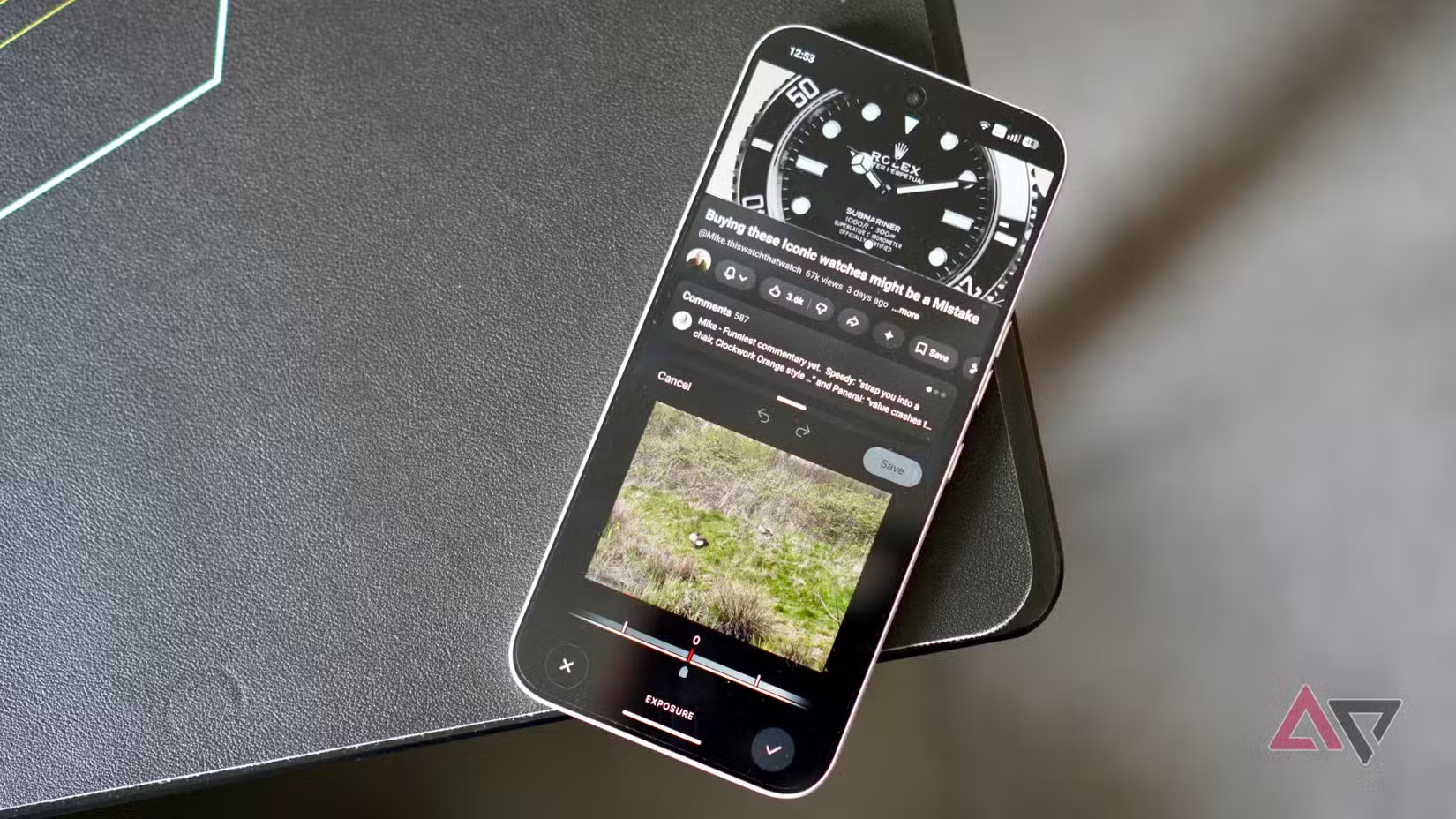
Nothing’s budget Phone also has a bright 120Hz display that uses flexible LTPS AMOLED panels. Gorilla Glass 7i also protects it, adding a bit more durability to the screen.
And, since this is a Nothing Phone, you still get all the extra gimmicks and quirks that come with it, like the Glyph interface and its unique transparent design.
So if you can somehow nab it, the Nothing Phone 4a offers a fun, but powerfully versatile experience on a budget. And if you are a US buyer looking for a similar but slightly more premium experience, keep an eye out for the Nothing Phone 4a Pro variant.
An awesome experience at every price point
It’s hard to beat the Google Pixel 10a as the top pick, given its combination of performance and price, which makes us question why we need to spend over $1,200 on some flagship phones.
With sufficient power for moderate gaming and smooth scrolling through daily tasks, the Pixel 10a is an excellent deal if you’re serious about saving money on your next smartphone.
Our premium choice is the Samsung Galaxy S25 FE because it’s a great go-between option without having to spend up to the base last-gen Galaxy S25 or upgrade to the Galaxy S26.
It bears many of the key hallmarks of the more expensive S25 series, and, apart from a few issues like inconsistent fast charging, it may have been our top choice.
But if you are absolutely trying to push for as much horsepower from a midrange phone, the OnePlus 15R would be another great choice.
It has a hefty battery and a pretty powerful chip set that can handle most types of gaming. Plus, the display is fairly good. With all these specs put together, this is as close to a flagship as you are going to get.
For low-budget options, there’s the Samsung Galaxy A17 5G as a respectable value pick if you want to save a little more. Plus, you can count on six years of Samsung updates.
A modern design, solid performance, and a workable camera make the Galaxy A17 an excellent choice for One UI fans who don’t want to spend needlessly on a flagship.
9/10
- SoC
-
Google Tensor G4
- Display type
-
Actua display
- Display dimensions
-
6.3-inches
The Google Pixel 10a features a Tensor G4 chipset and 8GB of RAM. It includes a 6.3-inch Actua panel and a 1080p resolution. The phone packs a 5,100mAh battery and a 48MP primary camera sensor, with a 13MP ultrawide lens. It ships with Android 16, and Google promises 7 years of software updates.
- Fantastic performance
- Impressive software
- Great cameras
- Very little has changed from the Pixel 9a
- 128GB is fairly low for base storage
VIA: www.androidpolice.com